Coccydynia FAQs
Share This Article On


Coccydynia FAQs
Written By Dr Jason BROCKWELL
(Last updated on: January 8th 2026)
What is Coccydynia?
The term ‘coccydynia’ is used to describe pain around the coccyx or ‘tailbone’. There is usually pain with pressure on the coccyx, especially when sitting and standing up from sitting.
It’s more common in women than in men.
The term ‘coccydynia’ describes the symptom of pain around the coccyx. It is not a diagnosis on its own, as there are various causes of coccydynia.
There are various causes of ‘primary coccydynia’ – where the pain is from the coccyx.
Often it follows an injury, in which the diagnosis is ‘traumatic coccydynia’.
It may be caused by childbirth, in which the diagnosis is ‘post-partum coccydynia’.
Often, no cause is identifiable, in which the diagnosis is ‘idiopathic coccydynia’.
Occasionally, coccydynia is caused by a tumour or infection, and it is important to identify these cases of ‘secondary coccydynia’, which require different treatment from primary coccydynia.
Treatment
Almost every treatment approach for primary coccydynia will begin with physiotherapy, +/- medication, and, if unsuccessful, consider injections, and, if unsuccessful, consider operation.
Once a working diagnosis of primary coccydynia is made, it’s appropriate to try a course of physiotherapy, as physiotherapy is often very effective, even in cases with long-standing symptoms.
If a patient fails to improve significantly with physiotherapy, it’s appropriate to investigate further, to try to make sure nothing has been missed, and it is not a missed case of secondary coccydynia, which requires different treatment.
If the diagnosis remains ‘primary coccydynia’, it’s appropriate to consider: second line treatments, such as medications; and, if problems continue, third line treatments, such as injection; and, if problems continue, fourth line treatments, such as surgery.
History
The tailbone was named coccyx (the Greek word for cuckoo) by the physician Herophilus, who was active in Alexandria around 300 BC, presumably because he felt the coccyx looked like the head and beak of a cuckoo, when viewed from the side [1].
The term ‘coccygodynia’ (usually now shortened to ‘coccydynia’) was first used in 1859 [2] to describe pain in the tailbone area related to sitting and standing from sitting.
Where is the coccyx? What does it do?
The coccyx is the evolutionary remnant of the tail.
It sits on the tip of the sacrum, at the lower end of the spinal column.
The coccyx doesn’t ‘do’ anything, but it does have nerves running from it, and it forms part of the pelvic floor, and therefore has muscles and ligaments attached to it.
In about 80% of people, it consists of 4 bony segments, though about 10% have 3 segments and another 10% have 5 segments. The segments may be separated from each other by intervertebral discs (as in the rest of the spine), by synovial joints, or fused together by bone, or some combination of these. In addition, the coccyx may be separated from, or fused to, the sacrum, and is partially or fully fused in about 50% of people[3].
The shape of the coccyx was classified by Postacchini into 4 types [4], and the classification was modified to six types by Nathan[5] (Table 1), though there is no definite relationship between the shape and the presence or absence of pain.
| Type | Coccygeal Morphology |
| I | Curved gently forward |
| II | Has a marked curve with the apex pointing straight forward |
| III | Angled forward sharoly between first and second or second and third segment |
| IV | Anteriorly subluxated at the level of the sacrococcygeal joint or first or second intercoccygeal joint |
| V | Coccygeal retroversion wtih spicule |
| VI | Scoliotic deformity |
Table 1. Nathan-Postacchini Classification of Coccygeal Shape
What are the causes of Primary Coccydynia?
In many cases, the exact cause of primary coccydynia cannot be identified. Suspected causes include:
- Injury
- Childbirth
- Rapid weight loss
- Being overweight
- Being very thin
- Hypermobility of the coccyx
- Stiffness of the coccyx
- Damage to or degeneration of the intercoccygeal discs
- Idiopathic – ‘unknown cause’ – is the most common, and probably the cause is overactive pelvic floor muscles leading to myofascial pain and trigger points [6].
What are the causes of Secondary Coccydynia?
- Tumour
- Infection
- Cysts – e.g., Pilonidal Cyst
- Nerve problems
- Others
Why is it more common in women?
Probably because the wider pelvis – to accommodate the baby’s head during childbirth – leaves a woman's coccyx more exposed to injury.
Pain can also follow childbirth, and it is more common in women who have more children.
How to make diagnosis of ‘Idiopathic Primary Coccydynia’?
There is no definitive diagnostic test for coccydynia. The condition is diagnosed on the basis of the patient’s symptoms and physical examination, and by excluding other causes of the symptoms, usually by investigations.
Medical history
A medical history includes an in-depth review of the patient’s symptoms, such as what positions or activities make the symptoms better or worse, how long symptoms have been present, if they started gradually or after an injury, and what treatments have been tried.
It will also include a review of conditions that may be in the patient’s family, such as arthritis.
Typical symptoms include:
- The pain is localized to the coccyx or the immediate surrounding area
- It does not usually radiate to other places
- Aggravated by sitting and transitional movements.
- Associated symptoms include pain with defecation and with sex, thought to be manifestations of the pelvic floor muscles
- May have begun with an injury or unusual activity
Physical examination
The physical exam will include an examination of the spine, hips and legs to see what hurts. Tenderness is usually present.
Investigations
X-rays and other imaging studies do not reliably demonstrate ‘primary idiopathic coccydynia’ but may be conducted to exclude other – potentially serious – conditions that can cause similar symptoms. It can be difficult to see the coccyx clearly on X-ray.
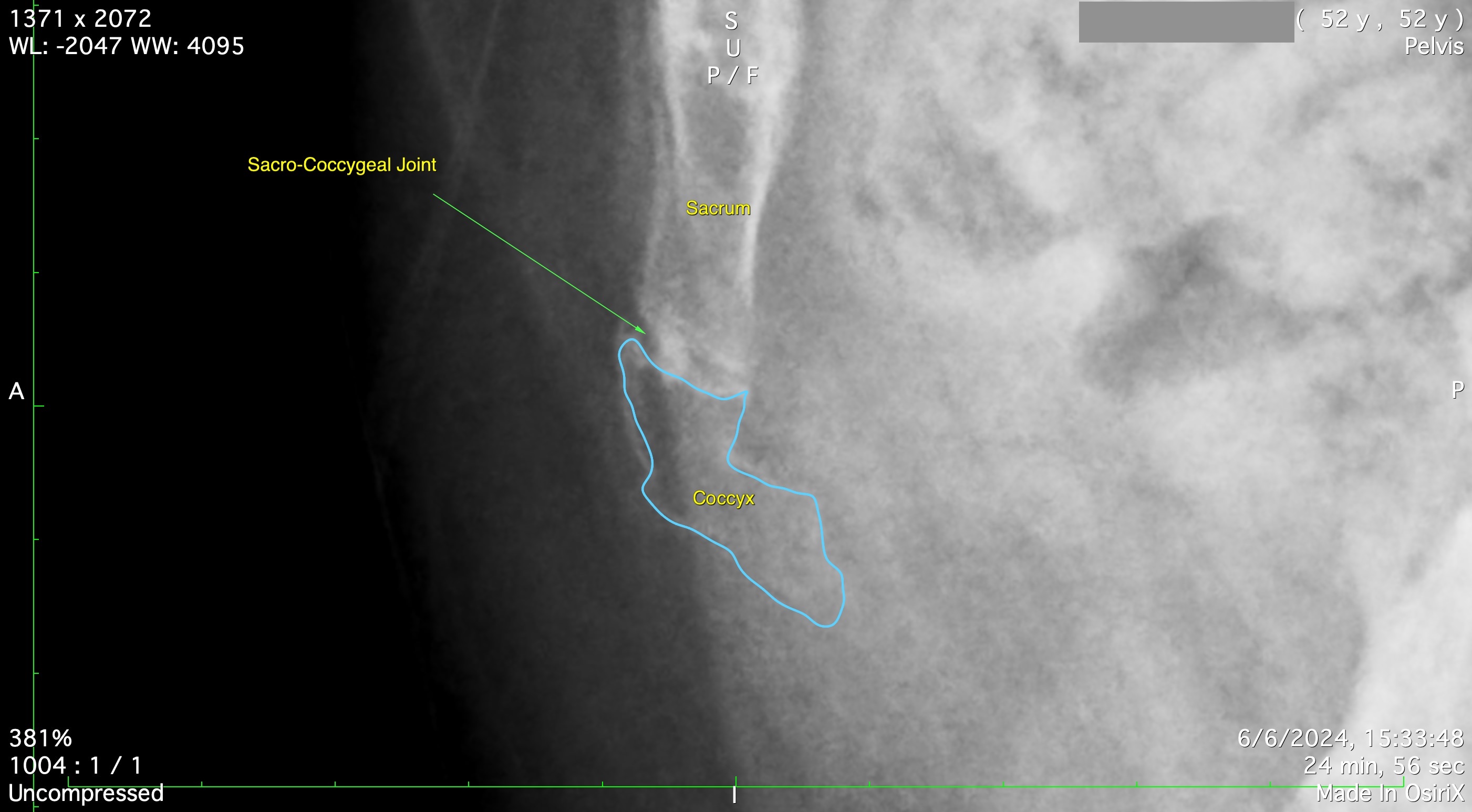
Fig 1. X-ray can be difficult to interpret.
Sitting X-rays (see Figures 1 & 2) can be helpful.
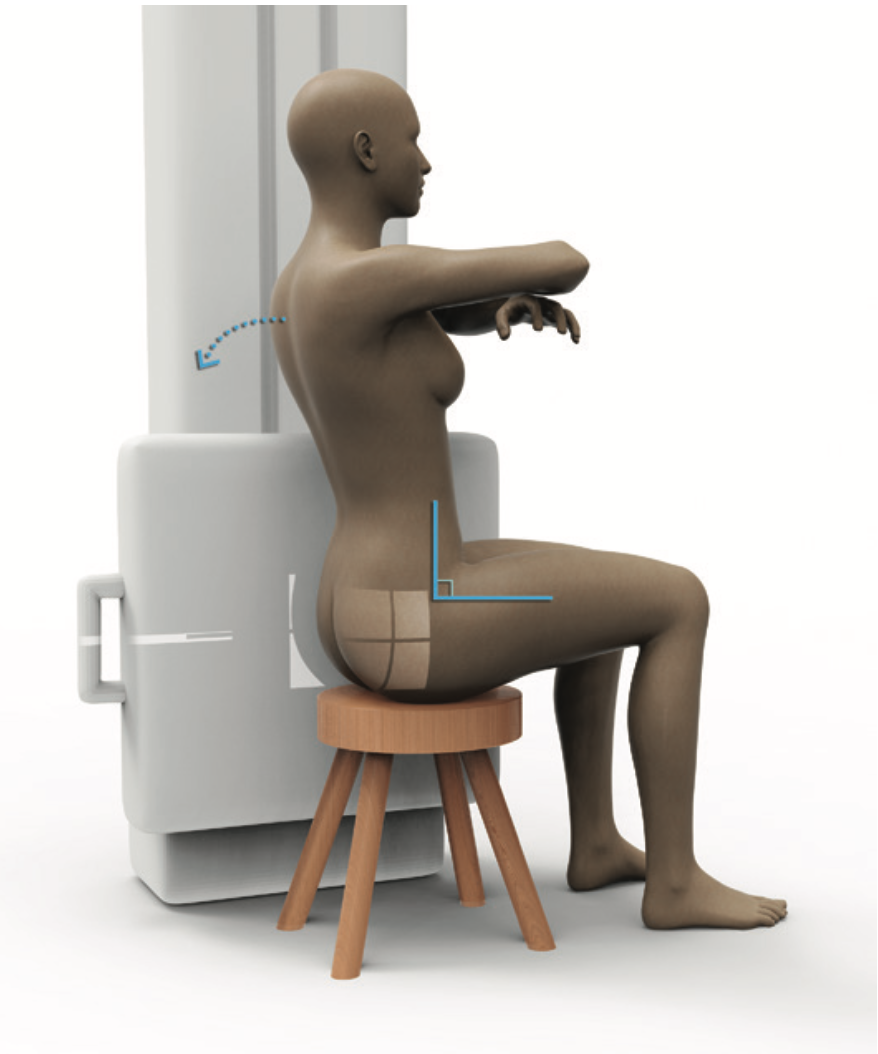
Fig 2. Patient positioning and setup for seated lateral radiography of the coccyx [3]. Illustration shows the patient in a seated position on a hard-surface stool with their thighs horizontal, which may require placing their feet on a footrest, depending on the height of the stool. They are then instructed to lean back to the point of maximum tenderness and hold in this position for image acquisition.
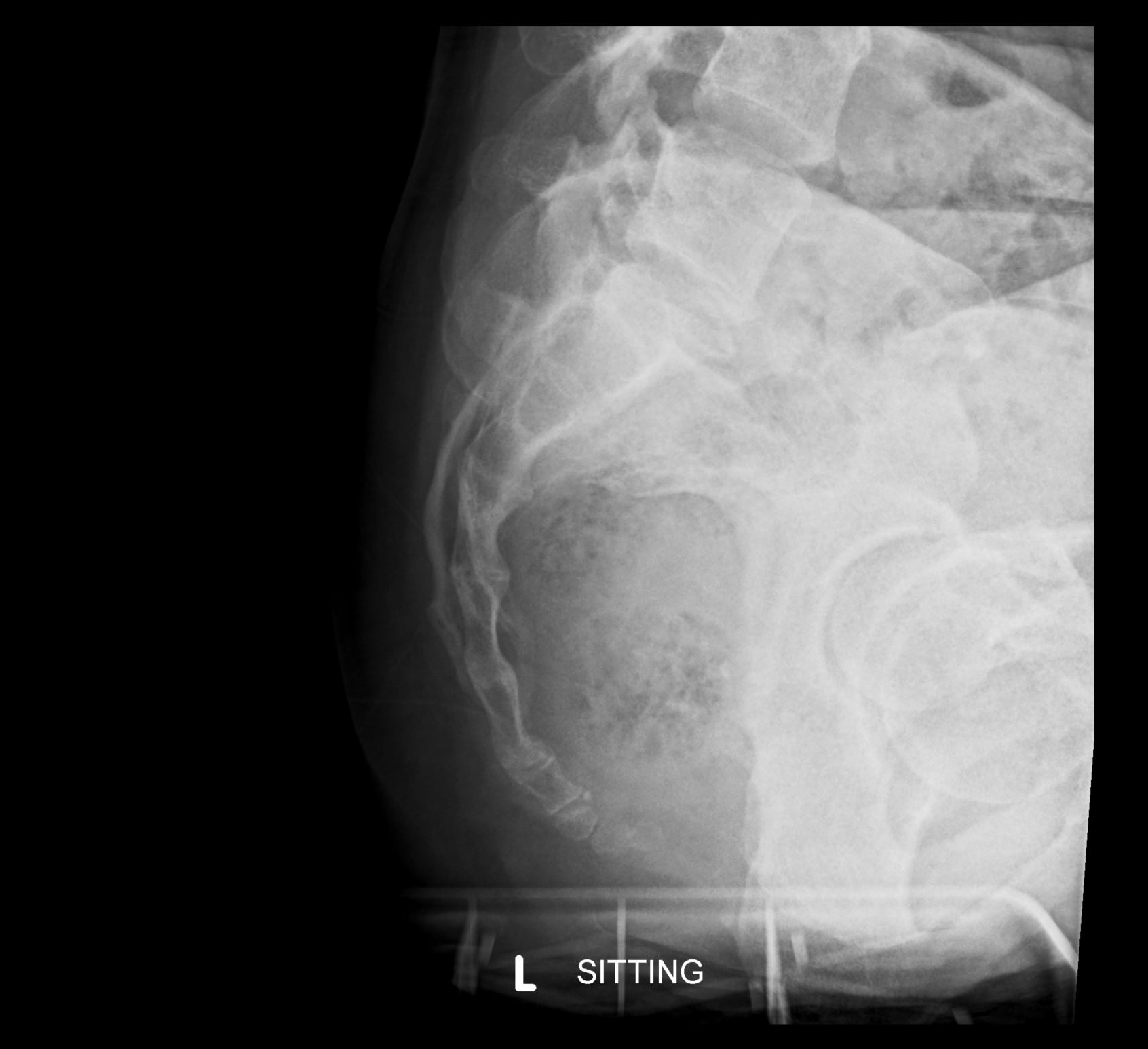
Fig 3. Seated lateral coccyx radiograph.
X-ray and MRI may demonstrate tumours, infection, crystal deposition, and cystic formations such as a pilonidal cyst [3].
A CT scan is helpful in patients who have persistent symptoms despite first-line (physiotherapy) treatment, in order to help guide injections.
CT gives very high definition images of the bones, and can usually show if any given joint is fused or mobile (Figure 4)
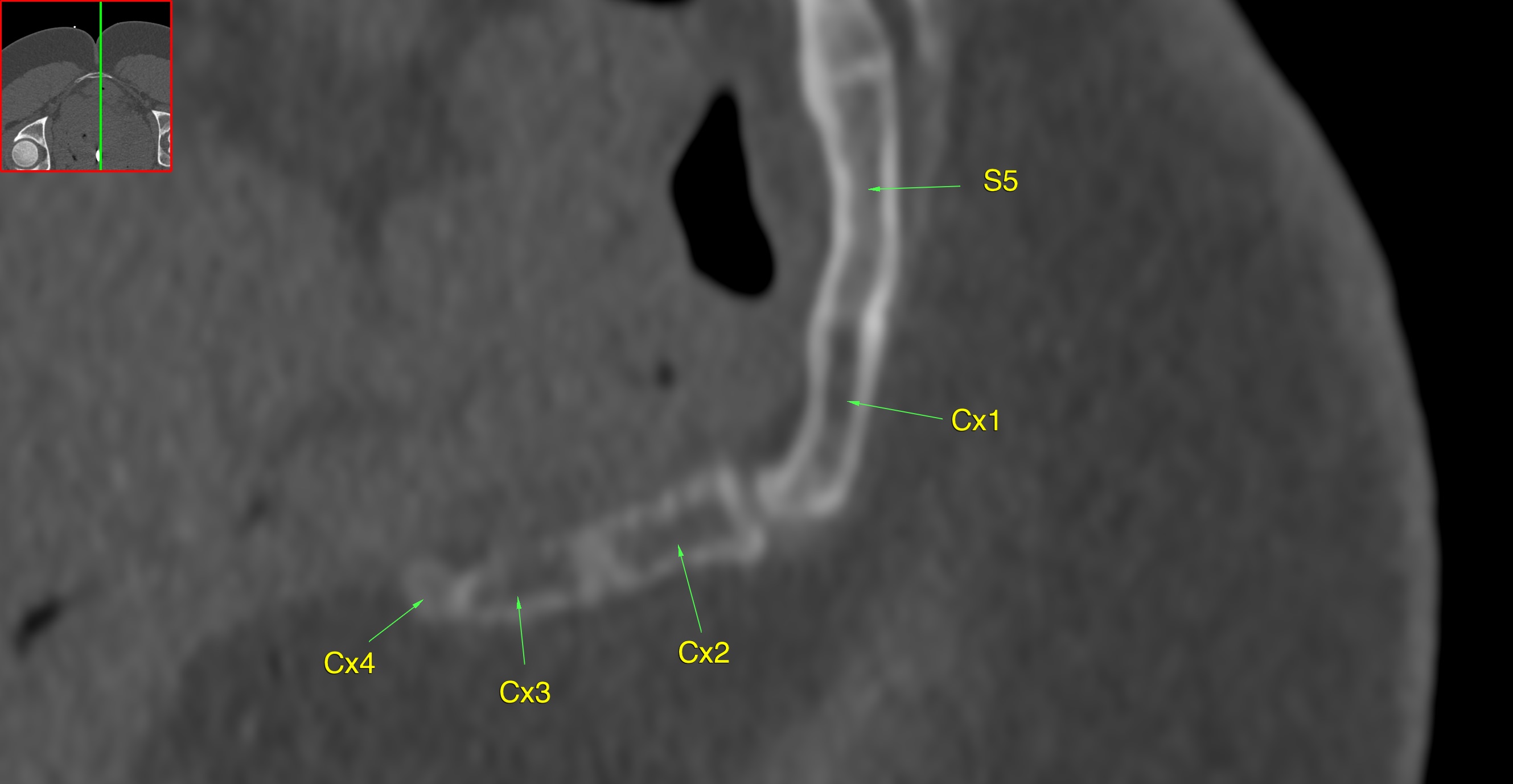
Fig 4. CT coccyx shows bones in detail. This patient has only one joint – between Cx 1 and Cx 2. The sacro-coccygeal joint is fused.
MRI shows the soft tissues of the pelvis, but does not provide as clear a detail of the bones.
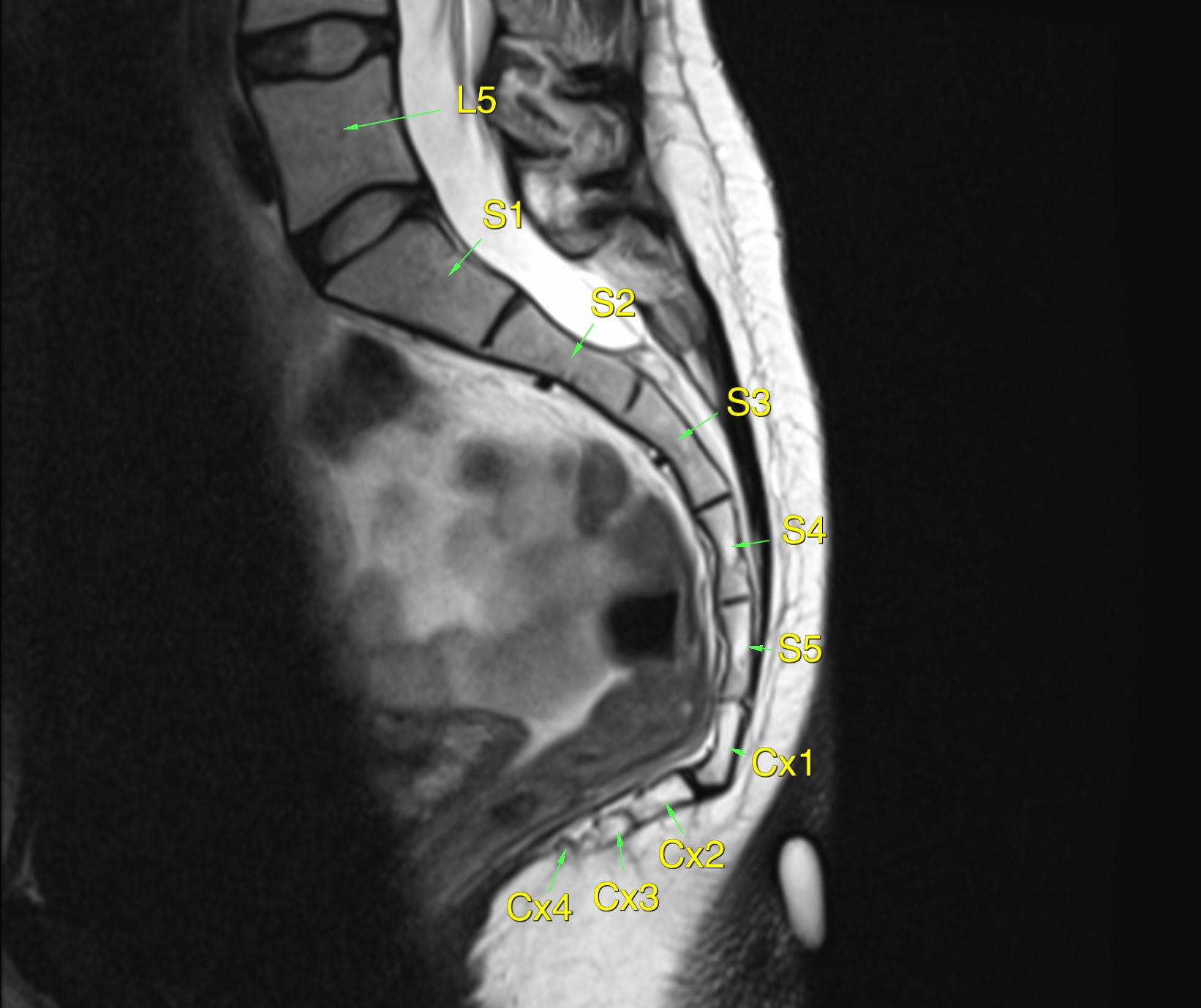
Fig 5. MRI coccyx doesn’t show the bones with the high resolution of CT, but shows soft tissues very well. The vertebral bodies are labelled.
Differential Diagnoses: What else could it be?
- Sacro-Iliac Joint problems – can cause a variety of symptoms, including buttock and thigh pain[7].
- Back problems can cause a variety of symptoms, including buttock and thigh pain.
- Hip problems can cause a variety of symptoms, including buttock and thigh pain.
- Tumour – either a benign swelling like a hernia [8] or a cancer - can cause almost any symptoms.
- Infection – can cause almost any symptoms. Usually, blood tests will be abnormal.
- Inflammation can cause almost any symptoms. Usually, blood tests will be abnormal.
TREATMENT
First line:
- Doughnut Cushion - A cushion with a hole to relieve pressure on the coccyx is very helpful.
- Laxatives and Stool Softeners - Can help if going to the toilet is painful.
- Heat Therapy- Some people find heat helpful. A hot bath or a heating pad can help. Be sure to avoid falling asleep on a heating pad, as this may lead to skin burns.
- Physiotherapy for Coccydynia - Physiotherapy-supervised pelvic floor exercises are usually helpful [9].
Second line:
Oral Medications - Paracetamol (also known as acetaminophen and with brand names Panadol, Tylenol etc) is a very safe painkiller which can be taken every day and is available without prescription.
Since most episodes of pain include some type of inflammation, non-steroidal anti-inflammatory medications (NSAIDs), such as ibuprofen (Brufen; Advil; Nurofen), may help and can be safely taken together with paracetamol. They are available without a prescription.
Third line:
Advanced Oral Medications
- Nerve pain relievers: e.g., pregabalin (Lyrica)
- Anti-depressants: e.g., venlafaxine (Efexor)
Injections
Injections of local anaesthetic and steroid into the painful sacro-coccygeal or coccyx-coccyx joint are usually helpful for a few months, and allow more effective physiotherapy exercises [10].
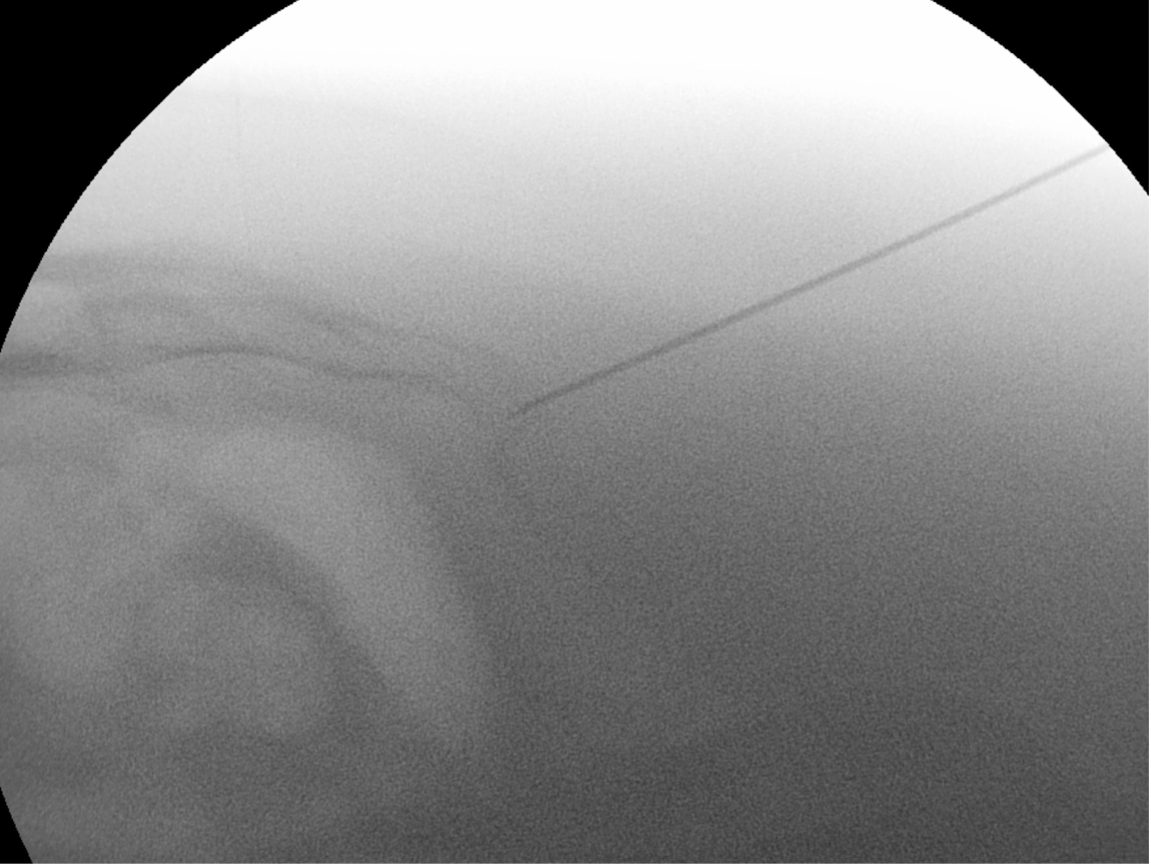
The procedure is quite simple and is best performed in the operating room with a brief sedative administered by an anaesthesiologist. Video X-ray is used to guide a needle into the joint(s), and local anaesthetic and steroid are injected (Figure 6).
Fig 6. Injection of the coccyx viewed by a video X-ray system. |
Anococcygeal Nerve (ACN) block can provide temporary pain relief [11].
Ganglion Impar Block and Caudal Epidural Steroid Injection seem to be equally effective[12].
Fourth line:
Removal of the nerves to the coccyx
Removal of the Anococcygeal Nerve (ACN) [11].
Coccygectomy: Surgical Removal of the Coccyx – partial or total
Key first described the operation of coccygectomy – removal of some or all of the coccyx - in 1937 [13].
Postacchini reported that partial or complete excision gave 89% excellent or good results, with 17/36 patients having non-troubling sensory disturbance [4].
Postacchini recommends partial coccygectomy in Type I with partial or complete sacrococcygeal fusion; in Type II; and in Type III & IV where the angulation is at or below the first intercoccygeal joint.
Typically, it takes about 3 months for pain to settle.
References:
Sugar, O., Coccyx. The bone named for a bird. Spine (Phila Pa 1976), 1995. 20(3): p. 379–83.
Simpson, J.Y., On coccyodynia, and the diseases and deformities of the coccyx. Med Times Gazette, 1859. 40: p. 1–7.
Skalski, M.R., et al., Imaging Coccygeal Trauma and Coccydynia. Radiographics, 2020. 40(4): p. 1090–1106.
Postacchini, F. and M. Massobrio, Idiopathic coccygodynia. Analysis of fifty-one operative cases and a radiographic study of the normal coccyx. J Bone Joint Surg Am, 1983. 65(8): p. 1116–24.
Nathan, S.T., B.E. Fisher, and C.S. Roberts, Coccydynia: a review of pathoanatomy, aetiology, treatment and outcome. J Bone Joint Surg Br, 2010. 92(12): p. 1622–7.
THIELE, G.H., COCCYGODYNIA AND PAIN IN THE SUPERIOR GLUTEAL REGION: AND DOWN THE BACK OF THE THIGH: CAUSATION BY TONIC SPASM OF THE LEVATOR ANI, COCCYGEUS AND PIRIFORMIS MUSCLES AND RELIEF BY MASSAGE OF THESE MUSCLES. Journal of the American Medical Association, 1937. 109(16): p. 1271–1275.
Yoeman, W., The relation of arthritis of the sacroiliac joint to sciatica, with analysis of 100 cases. Lancet, 1928. 2: p. 1119–1122.
Chitranjan, H. Kandpal, and K.S. Madhusudhan, Sciatic hernia causing sciatica: MRI and MR neurography showing entrapment of sciatic nerve. Br J Radiol, 2010. 83(987): p. e65–6.
Scott, K.M., et al., The Treatment of Chronic Coccydynia and Postcoccygectomy Pain With Pelvic Floor Physical Therapy. PM R, 2017. 9(4): p. 367–376.
Mitra, R., L. Cheung, and P. Perry, Efficacy of fluoroscopically guided steroid injections in the management of coccydynia. Pain Physician, 2007. 10(6): p. 775–8.
Alimehmeti, R.H., M.D. Schuenke, and A.L. Dellon, Anococcygeal Nerve and Sitting Pain: Differential Diagnosis and Treatment Results. Ann Plast Surg, 2022. 88(1): p. 79–83.
Sencan, S., et al., Comparison of treatment outcomes in chronic coccygodynia patients treated with ganglion impar blockade versus caudal epidural steroid injection: a prospective randomised comparison study. Korean J Pain, 2022. 35(1): p. 106–113.
KEY, J.A., OPERATIVE TREATMENT OF COCCYGODYNIA. JBJS, 1937. 19(3): p. 759–764.